Contact us by phone
Service available 24 hours a day, 365 days a year.
The official feast day of the city’s patron saint falls on Friday 15 May. As it lands over a long weekend, 2026 is shaping up to be an exceptional year to experience the celebrations. Although the official programme usually kicks off a few days earlier with the opening speech, the main festivities will run from Wednesday 13 to Sunday 17 May.
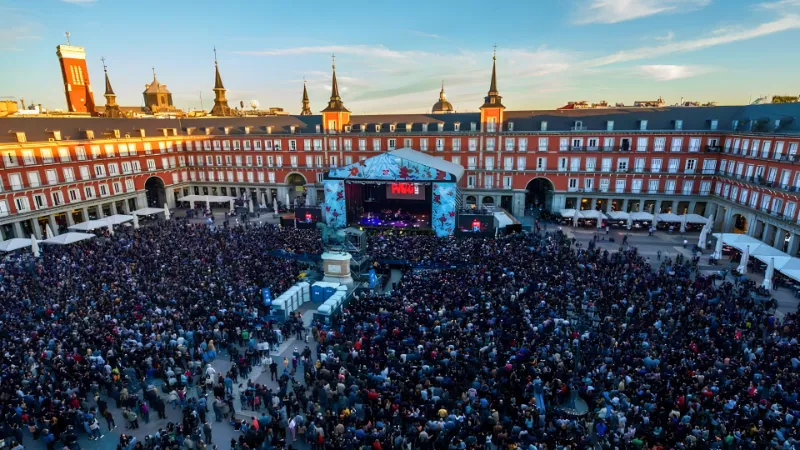
During these days, Madrid is filled with plans: from the traditional parades of giants and big-headed figures to regional dance performances. Open-air concerts take centre stage, with a free programme ranging from pop and indie to flamenco and urban sounds. The key venues, as tradition dictates, will be Plaza Mayor, Las Vistillas Gardens, Matadero Madrid and, above all, the true epicentre: the Pradera de San Isidro.
This is the heart of the celebration. On 15 May, the traditional pilgrimage takes place here. The focal point is the Hermitage of San Isidro, home to the spring that, according to legend, the saint caused to flow to quench the thirst of his master, Iván de Vargas. To this day, thousands of people queue to drink this water, believed to have miraculous properties.
The rest of the park transforms into a lively open-air fair: food stalls, live music, barrel organs and a funfair area for all ages that keeps the spirit of 19th-century Madrid alive.
During San Isidro, food is enjoyed with your hands and out on the streets. These are days for entresijos, zarajos and gallinejas — traditional offal dishes that are pure Madrid heritage — always accompanied by the local limonada (wine, fruit, sugar and a touch of lemon). But if there is one sweet symbol, it’s the rosquillas. And don’t settle for just two — there are four types:

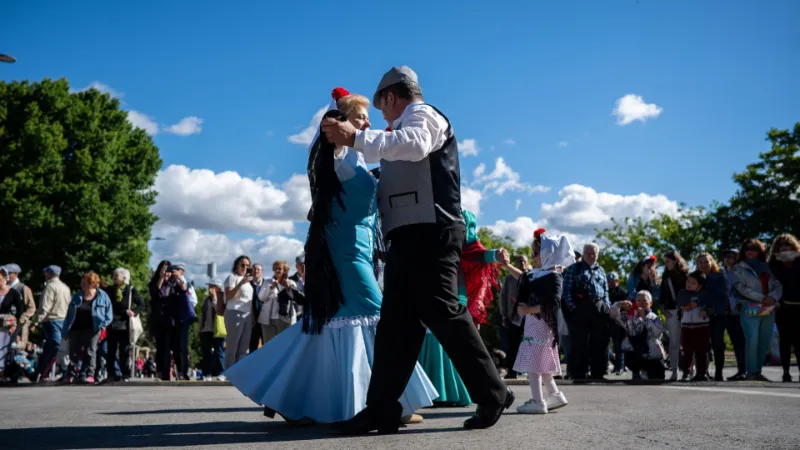
The traditional chulapo and chulapa outfits take centre stage. For men: a white shirt, waistcoat with a carnation, dark trousers, a neck scarf and the parpusa (checked cap). For women: a fitted dress with flounces, a Manila shawl, a white headscarf and two or three carnations (red if married, white if single).
And a tip for dancing: if you give the chotis a go, remember that the gentleman must turn on a single tile without stepping off it, while the woman guides him. Pure Madrid attitude!
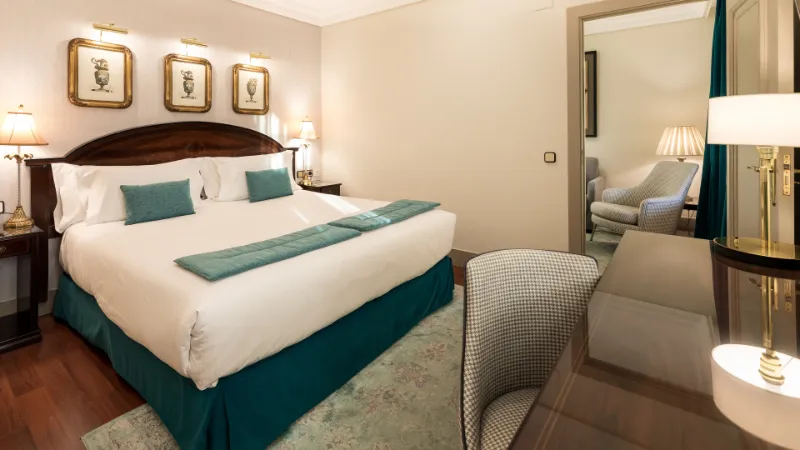
To experience this San Isidro long weekend in the best way, Sercotel Gran Hotel Conde Duque is the perfect base. Located in a quiet area yet just a short walk from the main festive hotspots (such as Plaza Mayor and the historic centre), it offers the ideal balance between the buzz of the celebrations and the rest you’ll need. Step inside — we’re waiting to help you experience Madrid at its most authentic.